Program Overview:
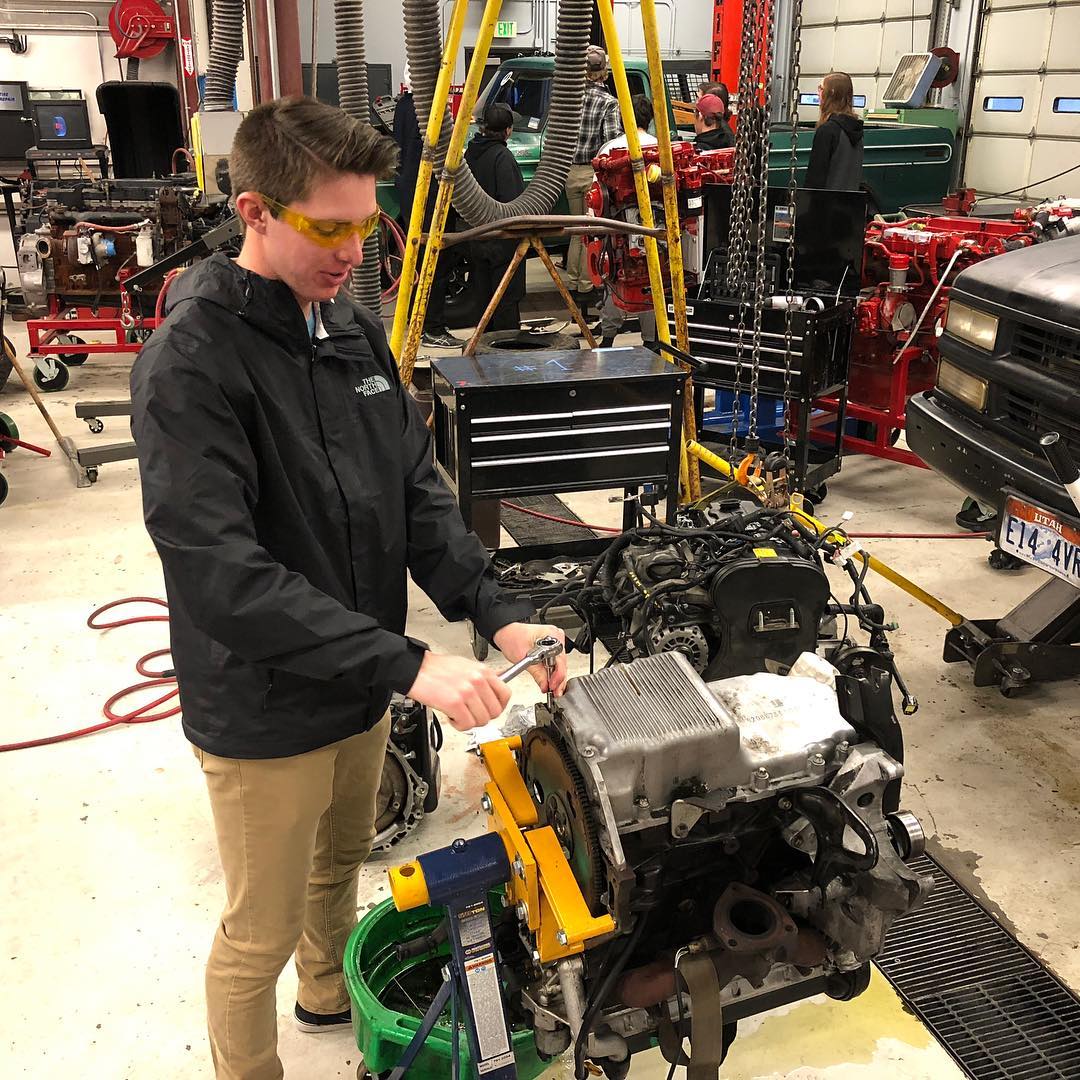
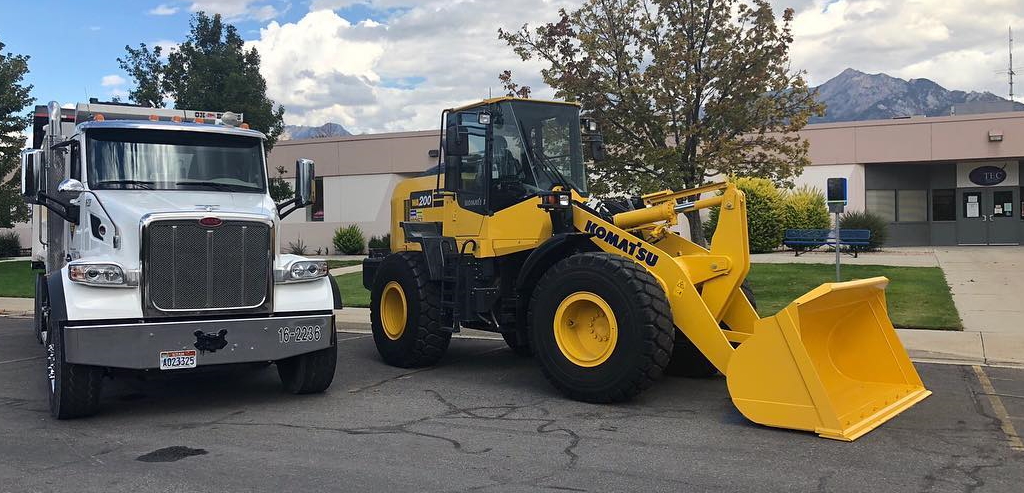
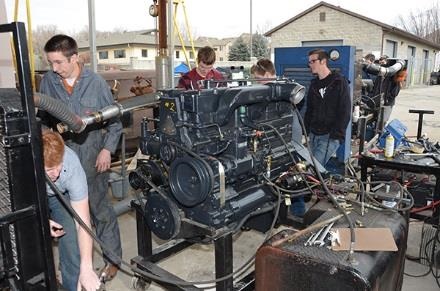
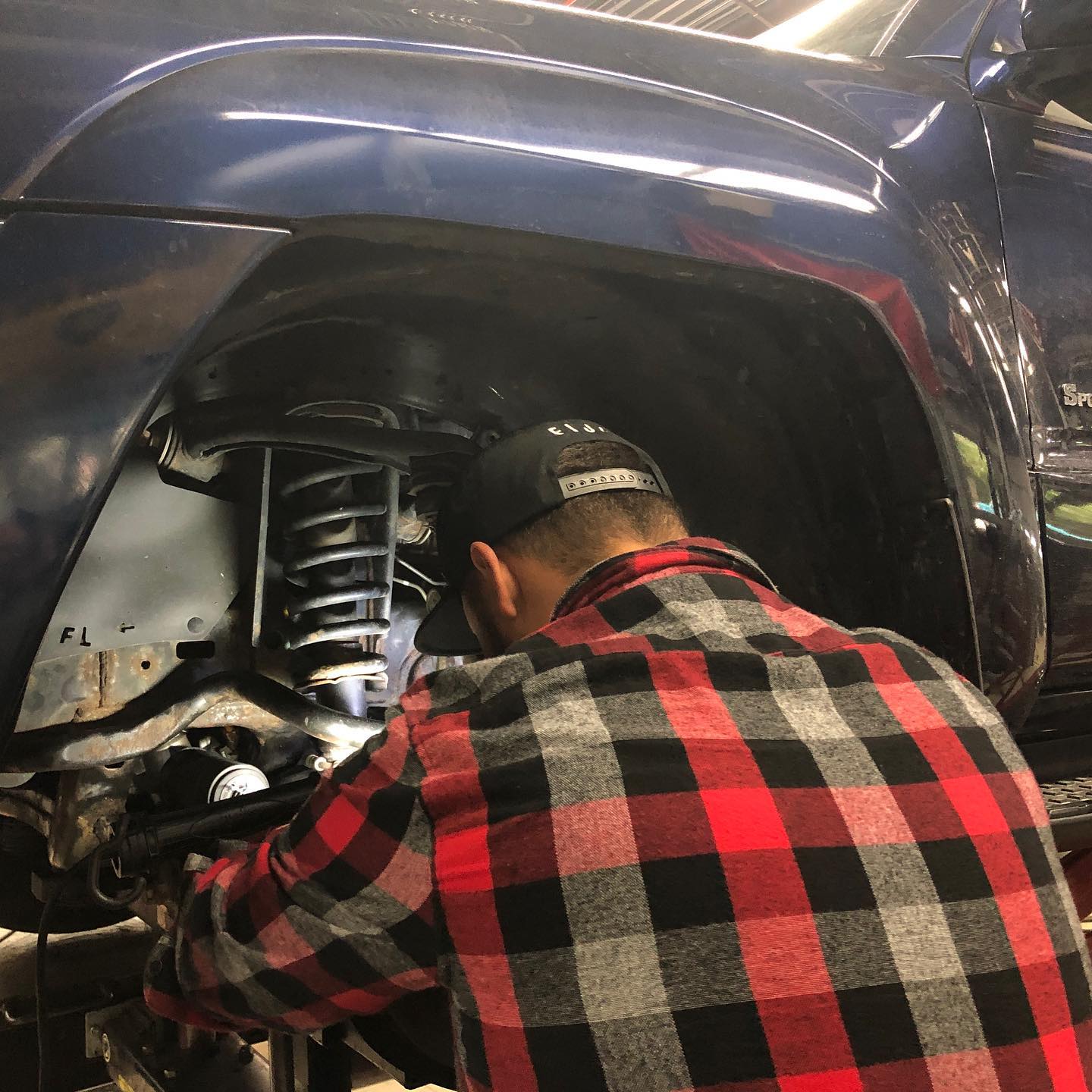
Topics include learning tools for measuring internal and external diesel engine components, complete engine re-build, 12/24 volt electrical systems, Ohms law in incorporating math into the electrical systems, voltage drop, resistance, wiring, trouble shooting and fuel systems. Students will learn to use power tools and hand tools safely. Students will learn about brakes and air brake systems, arc welding and gas torch use, suspensions on trailers, truck and wheel alignments, transmission, clutch repair, truck preventive maintenance, and differential removal/rebuild. Reading and understanding shop manuals will also be covered. Students will have internship and career opportunities.
Course Descriptions:
For Concurrent Enrollment Classes see Appendix.
ASE Diesel Electrical Systems: This course is a follow up course to the Diesel IMMR and is in a
sequence that prepares individuals to apply technical knowledge and skills to the specialized maintenance
and repair of trucks, buses, and other commercial and industrial vehicles. Instruction covers training in
the following areas: safety and electrical/electronic systems. Work ethics and productivity are an integral
part of the classroom and lab activities of these courses.
ASE Diesel Engine: This course is a follow up course to the Diesel IMMR and is in a sequence that
prepares individuals to apply technical knowledge and skills to the specialized maintenance and repair of
trucks, buses, and other commercial and industrial vehicles. Instruction covers training in the following
areas: diesel engine repair. Work ethics and productivity are an integral part of the classroom and lab
activities of these courses.
Career Possibilities:
- Diesel Mechanic
- Tool Sales
- Truck Driver
- Machining
- Dealership Management
- Welder
- Fleet Maintenance and Management
Additional Details:
High School Credit:
CTE credit or elective credit: Up to 2 credits
Concurrent Credit:
: 4 college credits. Concurrent enrollment credits in this
program apply toward technical credits at the post-secondary level for this specific
degree, or they can be used as lower-division elective credits. Student is responsible
to register and pay for concurrent enrollment Classes at SLCC. For information on
these classes, see Appendix
Additional Opportunities:
Students may experience youth leadership and service through SkillsUSA.
Recommended:
Automotive classes and mechanical experience